Professional sanitation and food hygiene professionals in Brampton assist food establishments, food centers, baking facilities, warehouses, and food service operations staying compliant. They sanitize regularly touched surfaces, food preparation surfaces, equipment, floors, drains, restrooms, and prep zones with approved chemicals, maintaining proper ratios, and documenting contact times. You need regular sanitation determined by hazard level, volume, allergens, and regulatory assessments, along with documented proof backing Hazard Analysis Critical Control Points, audits, and public health compliance. The sections below explains how effective cleaning systems should include.
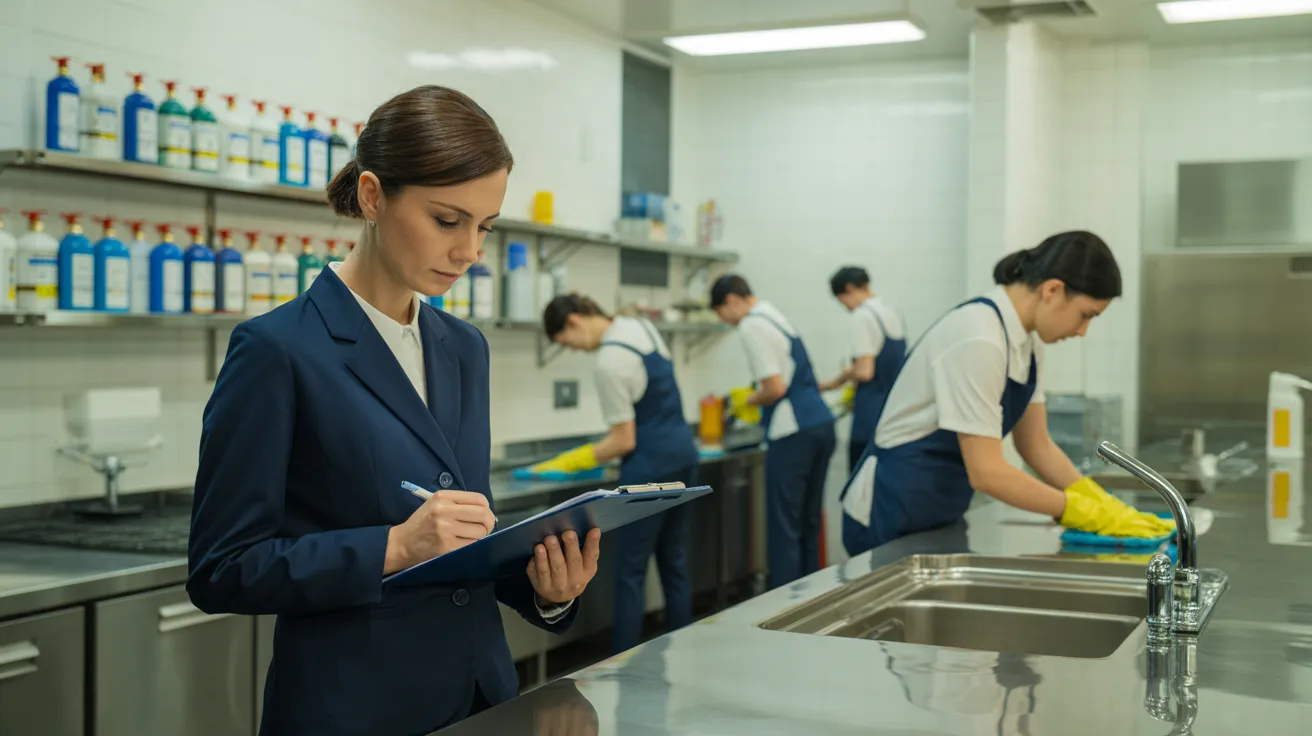
Main Points
- Brampton food safety cleaning experts service restaurants, grocery departments, commissaries, warehouses, bakeries, schools, mobile vendors, and allergen-sensitive operations.
- Zone-based workflows clean high-touch surfaces, food-contact equipment, kitchens, floors, drains, restrooms, and storage areas for eliminating cross-contamination.
- Checking of approved sanitizer dilution, appropriateness, and exposure duration is executed by approved vendors, with finishing logged using swabs, inspections, and correction logs.
- Sanitation plans ought to comply with danger, production volume, switches, spills, and standards, with daily, recurring, and seasonal duties assigned by area.
- Contractors should demonstrate hazard analysis knowledge, health regulatory understanding, safety training training, liability, credentials, color-categorized tools, and compliance-ready maintenance documentation.
Which Brampton Establishments Need Food Safety Cleaning?
You must comply with food safety cleaning if your business is falls under health department oversight, food standards, or HACCP requirements. This covers eateries, dining areas, supply warehouses, retail departments, meat counters, fish departments, general stores, and facility-based kitchens.
Adherent sanitation standards remains required in distribution centers, manufacturing facilities, cold storage areas, bakery retailers, educational meal programs, banquet venues, and meal delivery services. Mobile and temporary operations apply similarly, like catering vehicles, festival vendors, and pop-up establishments. Your establishment needs established hygiene documentation if your staff handle raw materials, divide prepared dishes, warm meals, or keep allergens stored. In Brampton, hygiene remains not optional; it constitutes regulatory, business, and safety compliance.
What Do Brampton Cleaning Experts Clean?
Professional cleaning services specializing in Brampton sanitize touched surfaces, kitchen facilities, ground surfaces, and sanitary facilities to satisfy food safety standards and health requirements. Focus on these locations occurs because they pose maximum contamination danger, injury hazards, and possible regulatory violations.
Understanding their cleaning procedures enables you to validate your facility's cleaning meets operational demands and regulatory compliance.
High-Touch Surface Sanitizing
establish a sterilization schedule
via replacing cloths, following one-way cleaning patterns, and dividing sanitization equipment separate according to zone
Food Prep Areas, Flooring, and Sanitary Facilities
Brampton cleaning services zero in on kitchens, floors, and restrooms as each zone involves different sanitation, accident, and public health risks. In industrial kitchens, you need grease removal from cooking stations, appliance surfaces, drain systems, preparation areas, and backsplashes to minimize bacterial growth and pest activity.
You should also expect documented flooring maintenance. is also provided as part of the service.
In restrooms, cleaners disinfect touchpoints, fixtures, partitions, dispensers, and waste containers then restock supplies and control odours. They also service restaurant moprooms, where chemical storage, sink hygiene, and drainage conditions can affect sanitation compliance and staff safety daily.
The Importance of Food Safety Cleaning in Brampton
Brampton operations demand proper hygiene standards to meet compliance obligations and pass audits. You also minimize bacterial spread through proper cleaning of food-preparation surfaces, appliances, and frequently-touched items. Most importantly, you safeguard public health by lowering the risk of foodborne illness in your facility.
Food Safety Regulations
Since Brampton food companies must follow mandatory safety protocols, your hygiene maintenance directly determines your competence to adhere to health codes, defend diners, and prevent regulatory penalties. You must maintain sanitized food contact points, recorded sanitation plans, appropriate product handling, and documented employee protocols that meet municipal and provincial inspection expectations.
During regulatory evaluation of your operation, auditors assess whether your cleaning program facilitates secure product handling, tool sterilization, garbage disposal, and washroom maintenance. Well-maintained cleaning files enable you to prove due diligence during official assessments and show that your methods are standardized, consistent, and monitored.
Contamination Prevention
Adhering to health code standards requires your skill in preventing cross-contamination throughout routine preparation and sanitation work. You need to isolate uncooked items from finished products, clean prep surfaces between tasks, and store cleaning supplies separately from food. Structured procedures reduce transfer risks and maintain ongoing regulatory adherence.
Implementing allergen separation helps keep priority allergens from contacting communal work zones, bins, or devices. Utilize separate boards, color-labeled items, and clear tool marking so staff don't mix items while preparing or distributing. Enforce hand hygiene following raw meat, seafood, eggs, or allergen-containing products. Replace wiping cloths regularly, and verify sanitizer strength with test strips. When your team learns these guidelines per shift, you establish a more hygienic, safer workplace that meets Brampton's food safety expectations regularly.
Public Health Safeguarding
When sanitation protocols breaks down, you don't just risk a failed inspection—you increase the chance of foodborne illness impacting customers, staff, and the wider Brampton community. You also weaken your role in safeguarding community wellness, especially in high-traffic food premises where contamination can spread quickly through surfaces, equipment, and touchpoints.
You depend on sanitation protocols that eliminate contaminants, effectively sanitize, and ensure effectiveness. This involves maintaining exposure times, deploying approved disinfectants, recording schedules, and coaching staff to fulfill health-unit expectations. These actions support pathogen control by reducing microbes before contaminating food or hands. In Brampton, effective cleaning protects at-risk groups, curtails outbreak likelihood, and demonstrates accountability. When you adhere to proper protocols, you go beyond regulations—you substantially reduce risk and promote secure food service throughout the city.
How Can Cleaning Practices Ensure Food Safety Compliance?
Rigorous cleaning routines ensure food safety compliance by reducing contamination risks, preventing pathogen multiplication, and ensuring your facility complies with sanitation requirements under HACCP-based programs and public health regulations. You ensure that contact surfaces appear visibly clean and microbiologically controlled, backing documented preventive controls and inspection readiness.
Cleaning programs additionally fortify allergen control by eliminating residues that can cause undeclared allergen exposure.
What's the Right Time to Plan Commercial Cleaning?
maintenance activities.
shutdowns, weather-related soil buildup, or pest-control management timeframes.
Finding Quality Brampton Cleaning Experts: A Guide
Start by screening providers against food-safe sanitation requirements, not cost only. You should verify that each company understands CFIA, public health, and HACCP-aligned expectations relevant to your facility. Ask for insurance documentation, WHMIS compliance, documented staff training, and supervision practices. Review whether technicians understand contamination prevention, chemical handling, and traceable sanitation records.
You must also evaluate business consistency and oversight. Seek references from food facilities in Brampton, then assess response times, corrective processes, and communication quality. Ensure the company enables supplier checks and can provide inspection-compliant records when authorities or third parties demand verification. Verify equipment is maintained, color-coded items are deployed correctly, and site-specific hazards are understood. A reputable service safeguards compliance, product integrity, and your brand reputation.
Which elements are contained in a Food Safety Cleaning Plan?
Document a framework that defines every sanitation activity, guideline, and role before starting production. You should include cleaning schedules, approved products, ratios, contact periods, tools, and validation approaches for each area, surface, and device. Ensure you include pre-operational inspections, corrective actions, and employee training requirements.
Your program should also cover cross-contamination controls, waste handling, pest-prevention measures, and documented schedules for restrooms, drains, floors, and food-contact areas. Detail how you'll keep raw and prepared foods apart, enable ingredient tracking, and maintain accurate allergen labeling through validated cleaning between product changes. You should assign accountability, keep signed records, and review results against regulatory standards, HACCP controls, and customer requirements. When gaps appear, update procedures immediately and re-educate staff.
Regular Posed Questions
Are sanitation providers offered for nighttime operations in Brampton properties?
Yes, you can schedule cleaning services to accommodate overnight shifts in Brampton facilities. You'll coordinate overnight sanitation around operational schedules, access controls, and personnel needs. Providers typically map overnight procedures to reduce disruption, ensure adherence, and record finished work. You should confirm response times, oversight, access protocols, and disposal methods before service begins.
Are emergency spill response services available from sanitation professionals?
Yes, you can locate several Brampton cleaning professionals offering spill containment services. They handle contamination, evaluate risks, contain affected areas, and execute rapid cleanup to minimize risk and limit operational impact. You should confirm timeframes, certifications, protocols, and disposal methods. If your facility needs compliance, pick a provider that documents incidents, follows procedures, and supports audits.
Will plant-based disinfectants protect safely food-handling equipment?
Yes, eco-friendly disinfectants can be suitable for food-handling equipment if you select disinfectants approved for food contact and satisfying regulatory requirements. You should validate exposure duration, dilution ratios, and rinse protocols before use. Many botanical formulations lower chemical burden, but you should gather evidence of effectiveness against harmful bacteria. To keep surfaces residue-free, you should adhere to precise manufacturer instructions and ensure the disinfectant meets food industry regulations.
Can cleaning plans be modified for seasonal production changes?
Without question, sanitation programs adapt well for seasonal shifts. Adjust intervals, staff levels, chemicals, and testing procedures to match seasonal workflows while preserving regulatory requirements. Decrease production interruptions by timing disinfection surrounding changeovers, high demand periods, and operational patterns. Additionally revise written procedures, staff education, and monitoring protocols to reflect transient threats, emerging allergens, or elevated soil levels. Regular reviews keep your plan effective.
Will professional cleaning services train employees on hygiene best practices?
Yes, professional cleaning services typically educate your staff on sanitation best practices. You get staff training on proper chemical use, exposure periods, contamination control, equipment disassembly, and record keeping. They generally follow training with HACCP, GMP, and CFIA or regional health department requirements. Many perform sanitation audits to confirm adherence, spot deficiencies, and reinforce corrective actions. This helps you maintain consistent procedures, succeed in audits, and reduce food safety risks regularly.
Summary
Through engaging Brampton food safety and commercial cleaning specialists, you do far more than tidy—you keep your operation prepared for inspections and your standards stay aligned with regulations. From production floors to kitchens, all maintained surfaces and organized zones reduce contamination risks and avoid major losses. Through scheduling maintenance on suitable timelines and sticking to a solid cleaning plan, you ensure protection for employees, clients, and your good name. In a tightly consult article controlled regulatory landscape, proper sanitation must be a priority—they are fundamental to success.